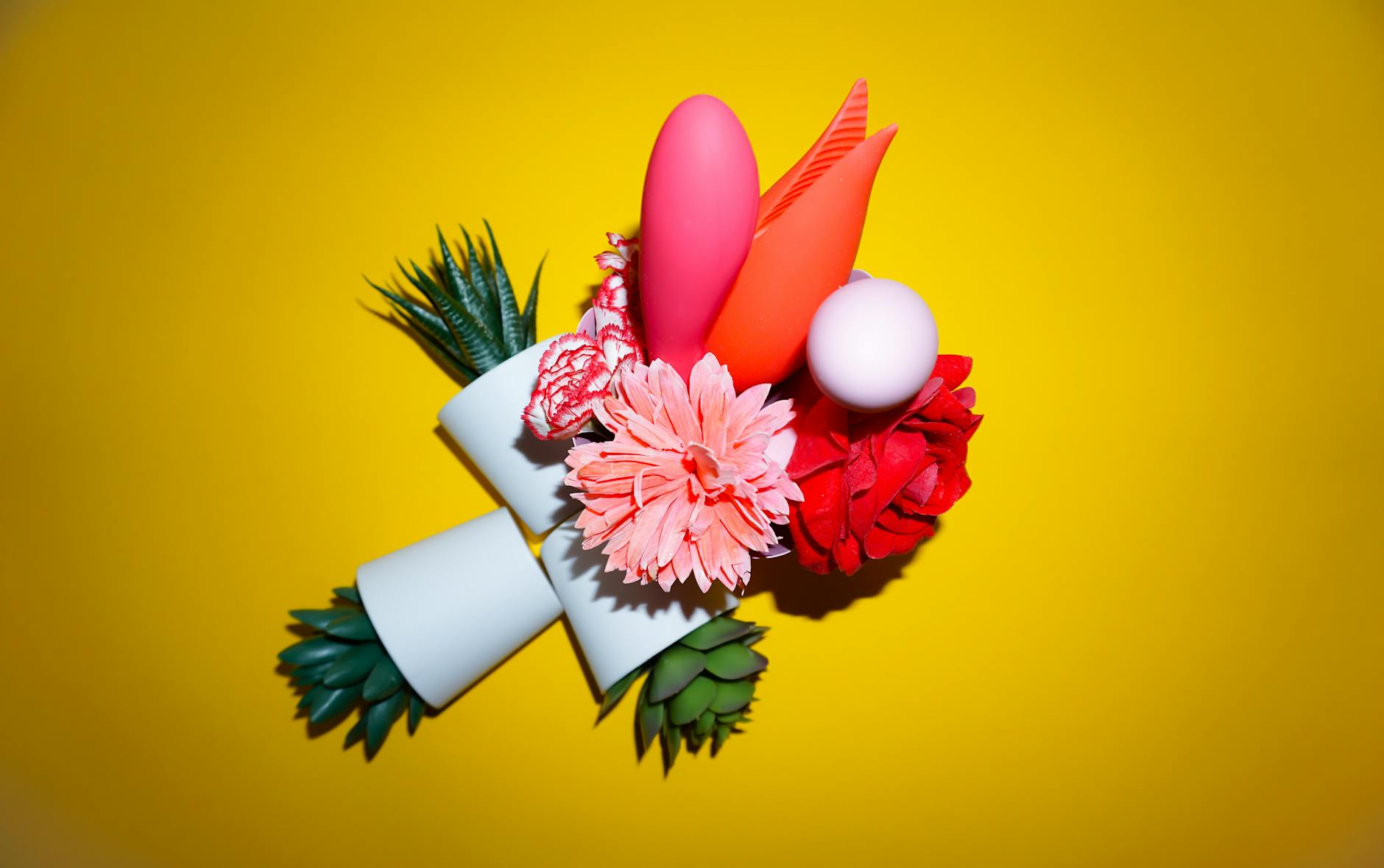
Let's talk about what hormones actually do to your clitoris
Your clitoris is wildly responsive to hormonal shifts. It's not fragile or broken when sensitivity changes. It's responding exactly as it should to estrogen and progesterone fluctuations. The problem is that nobody explains this, so when your clitoris feels different mid-cycle or after a major life transition, you assume something is wrong with you.
It isn't.
How your cycle affects clitoral sensitivity
Let me break down what's actually happening in your body across the menstrual cycle.
During the follicular phase, right after your period ends, estrogen is climbing. Your clitoris swells slightly, blood flow increases, and tissues become more engorged. This is when you might notice that touch that felt too intense last week feels absolutely perfect now. Orgasms often come faster. Your clitoris is literally larger and more accessible.
At ovulation, sensitivity peaks. Estrogen is at its highest. Your clitoris is maximally engorged. This is when many people report that they need less stimulation to climax, and when sensations feel most intense. If you use a lemon vibrator or any clitoral toy during this window, you might find that your usual intensity setting feels too strong. That's not a problem. That's data.
During the luteal phase, after ovulation, progesterone rises and estrogen drops. Your clitoris de-engorges slightly. Everything feels a bit less sensitive. That intensity setting that was too much at ovulation? Suddenly it's perfect again. But you might need longer warm-up time, more sustained stimulation, or a gradual build rather than jumping straight into your preferred pattern.
Right before your period, both hormones plummet. Your clitoris is least engorged. Sensitivity is at its lowest for the cycle. Many people feel more numb or distant during this window. This is when you might want to extend foreplay, use a bit of extra lube, or start at lower settings on your lemon vibrator and gradually increase.
What changes after forty (and what doesn't)
Perimenopausal and menopausal shifts are different but follow similar logic.
In the years leading up to menopause, hormonal fluctuations become wild and unpredictable. You might have a cycle where sensitivity is high, then suddenly skip to a cycle where it's completely flat. This erratic pattern is what makes perimenopause confusing. Your body isn't lying to you. It's experiencing real biochemical swings.
Once you're postmenopausal, estrogen settles at a consistently lower baseline. Your clitoris stays in a more de-engorged state. This doesn't mean you can't orgasm. It means the terrain has shifted. Many people find that the approach I recommend for the luteal phase of the cycle works well postmenopausally on a permanent basis. Longer foreplay, gentler initial stimulation, building intensity gradually.
How to adjust your lemon vibrator technique throughout the month
Here's the practical framework I use with clients.
During the follicular phase and ovulation. You have more sensitivity to work with. If your standard setting on your lemon vibrator has always felt just right, you might find that a lower setting is more pleasurable now. Try pattern one or two instead of jumping to three. Pay attention to what your clitoris actually wants rather than defaulting to what worked last month. If suction-based stimulation from a clitoral vibrator felt intense before, it might feel perfect now.
During the luteal phase. Go back to your baseline or increase slightly. That pattern that felt perfect at ovulation might now feel underwhelming. This is the time to use your full range. Start lower, but plan to build intensity as you go. Give yourself permission to spend fifteen to twenty minutes warming up instead of ten. Your clitoris needs more time to engorge when progesterone is high.
Right before your period. If you're experiencing reduced sensitivity, approach it like you would approach postmenopausal pleasure. Extended foreplay, generous lube, lower starting intensity. Some people find that indirect stimulation feels better here. Massaging around the clitoris rather than directly on it. Exploring patterns you might not usually prefer. This is experimentation time.
The key shift is this. Stop thinking of your lemon vibrator as a tool that stays constant. Think of it as a tool that you adjust based on what your body is telling you. You're not broken when sensitivity shifts. You're just working with different raw material.
Lubrication matters more than you think
Water-based lube isn't just for people with naturally low lubrication. It's genuinely useful when clitoral sensitivity fluctuates.
When sensitivity is low, lube reduces friction resistance, which makes stimulation feel more accessible. You're not fighting as hard against dry tissue. When sensitivity is high, lube allows for more nuanced, gliding movement rather than direct pressure. For silicone lemon vibrators and clitoral suckers, always use water-based lube. Silicone toys and silicone-based lube interact badly and degrade the toy.
Keep lube accessible. When mid-cycle sensitivity is surprising you with intensity, having lube on hand lets you dial down friction without changing settings. When you're in the luteal phase and need more glide, lube makes longer sessions more comfortable.
Communication with partners (if you have one)
If you're using a lemon vibrator with a partner, they need to understand that your sensitivity isn't about them. It's not a rejection. It's biology.
The conversation that works best is direct. "My body responds differently depending on where I am in my cycle. Sometimes I want more intense sensation, sometimes less. I might ask you to change intensity or approach mid-session, and that's not about what you're doing wrong. It's about what my clitoris needs right now."
This also matters for solo use if your partner is in the room. They might notice that you use your vibrator differently depending on the week and wonder if something is off. A quick explanation prevents unnecessary misunderstanding.
When sensitivity changes become concerning
There's normal cyclical variation, and then there's something else. If sensitivity has completely flatlined across the entire month, or if pain appears during stimulation, that's worth discussing with a gynecologist.
Hormonal birth control can reduce clitoral sensitivity for some people. If you switched pills or started a new method and noticed dampening, that's a real side effect worth considering with your provider. Some hormonal contraceptives are better for clitoral sensitivity than others.
Certain medications, including some antidepressants and blood pressure meds, can reduce genital sensation. This is documented and treatable. A conversation with your doctor might open options.
Vulvovaginal atrophy or genitourinary syndrome affects tissue thickness and can make direct clitoral stimulation uncomfortable. Topical estrogen cream, prescribed by a gynecologist, addresses this effectively.
The practical tools that help
Beyond adjusting intensity settings, a few things genuinely help with fluctuating sensitivity.
A lemon clitoral vibrator with multiple intensity levels gives you flexibility. The Lem or other adjustable devices let you match your current sensitivity without needing multiple toys. Start at pattern one and adjust upward.
Mindfulness around stimulation helps. Pay attention to what actually feels good today rather than chasing what felt good last week. This is harder than it sounds because you're fighting years of learned preference. But your clitoris knows what it wants. Listen to it.
Extending foreplay almost always helps. When sensitivity is lower, you're not fighting the vibrator to deliver the right sensation. You're giving your clitoris time and attention to build arousal gradually. That changes everything.
Variation in technique matters. If one pattern or setting isn't landing, switch to another instead of pushing harder. Your clitoris responds to novelty, and shifting approach often helps more than increasing intensity.
Making peace with the shifts
Your clitoris will change throughout your life. During your cycle. After forty. After menopause. In response to stress, medication, relationship changes, and things that have nothing to do with sex at all.
This isn't failure. It's adaptation. The people I work with who have the most consistent, satisfying pleasure aren't the ones whose bodies never change. They're the ones who pay attention to their bodies, adjust their approach accordingly, and stop expecting their clitoris to perform the same way every single day.
Your lemon vibrator is a tool that works best when you use it flexibly. That flexibility is what creates sustained pleasure across the full arc of your life.
People Also Ask
Why does my clitoris feel numb during certain parts of my cycle?
Clitoral numbness during low-hormone phases is completely normal. Estrogen keeps clitoral tissue engorged and sensitive. When estrogen drops during the luteal phase or approaching your period, less blood flow to the area means less sensation. It's not permanent and not a sign of damage. Try extending foreplay, using lube, and giving yourself longer to warm up. Many people find that starting with indirect stimulation around the clitoris rather than direct pressure helps during these windows.
Can hormonal birth control affect how my lemon vibrator feels?
Yes, absolutely. Hormonal contraceptives work by suppressing hormone fluctuation, which means they can flatten clitoral sensitivity throughout the month. Some pills impact sensation more than others. If you started a new birth control and noticed that your vibrator doesn't feel as effective, that's a real side effect worth discussing with your gynecologist. Switching pills or trying a different contraceptive method sometimes helps restore sensation.
Is it normal for my favorite vibrator setting to feel too intense at ovulation?
Completely normal. At ovulation, your clitoris is maximally engorged due to estrogen peak. The same stimulation that felt perfect last week might feel overwhelming now. This is your body giving you information. Honor it. Lower your vibrator's intensity setting during ovulation, and you'll likely find that sensations feel more pleasurable. You're not getting less sensation overall. You're receiving the right amount of sensation for your current state.
How can I explain clitoral sensitivity changes to my partner?
Be straightforward. Say something like, "My body's responsiveness changes throughout my cycle because of hormones. Sometimes I want more intensity, sometimes less. That's completely normal and has nothing to do with how attracted I am to you." If you're using a lemon vibrator together, let them know that you might adjust settings or ask to change approach mid-session. Frame it as you learning your body better, which benefits both of you.
What's the difference between normal cyclical sensitivity changes and numbness that won't go away?
Normal cyclical changes follow a pattern. You notice more sensitivity mid-cycle, less sensitivity during the luteal phase and before your period, and these shifts repeat month to month. Persistent numbness that doesn't follow a cycle, or numbness that showed up suddenly and stayed, is worth discussing with a gynecologist. It could indicate medication side effects, hormonal imbalance, nerve-related issues, or other treatable conditions. Don't assume it's permanent.
Can I use my lemon vibrator the same way postmenopausally as I did before?
Most likely not, and that's fine. Postmenopausally, estrogen stays consistently lower, which means your clitoris stays in a more de-engorged state similar to your luteal phase. Many people find that the approach that worked best during their luteal phase works well postmenopausally too. Longer foreplay, starting at lower intensities, using lube generously, and building gradually usually creates the most consistent pleasure. You have full capacity for orgasm. Your body just works with different baseline sensitivity.
What comes next
Your clitoris isn't inconsistent. You're just noticing what was always true. Sensitivity shifts with your cycle, your life stage, your hormones, and a thousand other factors. Instead of fighting those shifts, you can work with them.
Adjust your lemon vibrator technique based on where you are in your cycle. Pay attention to what actually feels good rather than defaulting to what worked last month. Give yourself longer warm-up time when sensitivity is lower. Use lube generously. And if something feels genuinely off, talk to your doctor.
Your body is trying to communicate with you. The more you listen, the better your pleasure becomes. If you have questions about how to optimize your experience or want to explore how a lemon vibrator might fit into your particular situation, reach out. That's what I'm here for.